Blog

  • Complete Guide to Tree Health and Maintenance: Building a Greener Tomorrow

    Trees are among the most valuable natural resources on our planet. They contribute to environmental balance, provide oxygen, reduce pollution, and create comfortable outdoor spaces. From small garden trees to large forest species, every tree plays an important role in supporting biodiversity. However, maintaining healthy trees requires regular care, attention, and an understanding of their natural needs. Proper tree maintenance not only improves their appearance but also protects them from diseases, pests, and environmental damage.

    1. The Importance of Regular Tree Maintenance

    Regular tree maintenance helps trees grow properly and reduces the possibility of unexpected problems. Trees that receive suitable care are generally better prepared to withstand environmental stress. Maintenance also helps identify weak branches, damaged bark, and signs of disease before they become more serious.

    Homeowners, gardeners, and property managers should make tree inspections part of their regular outdoor maintenance routine.

    2. Providing the Right Amount of Sunlight

    Sunlight is essential for photosynthesis, the natural process through which trees produce energy for growth. Different tree species have different sunlight requirements. Some need several hours of direct sunlight each day, while others can grow successfully in partially shaded locations.

    When planting a new tree, consider nearby buildings, fences, and other plants that may block sunlight. Providing enough space and suitable light conditions supports healthy development.

    3. Maintaining Proper Soil Conditions

    Soil quality directly affects the growth and health of trees. Healthy soil contains essential nutrients, organic matter, moisture, and sufficient air spaces for root development.

    Gardeners can improve soil quality by adding suitable organic materials, reducing unnecessary soil disturbance, and preventing excessive compaction. Soil testing is also useful for identifying nutrient deficiencies and understanding soil pH.

    4. Controlling Weeds Around Trees

    Weeds compete with young trees for water, sunlight, and nutrients. If weeds grow too close to newly planted trees, they can slow down early development.

    Removing weeds carefully and applying organic mulch around the root zone can help reduce competition. Avoid damaging tree roots while removing unwanted vegetation.

    5. Protecting Trees from Insects

    Insects can sometimes damage leaves, bark, roots, and branches. Certain pests feed on tree sap, while others create holes in wood or damage foliage.

    Regular observation helps detect insect activity early. Look for unusual holes, sticky substances, damaged leaves, and visible insects. Choose environmentally responsible treatment methods where necessary, and seek professional advice if the infestation becomes severe.

    6. Encouraging Healthy Branch Development

    A strong branch structure helps trees maintain their natural shape and withstand environmental conditions. Regular inspections can identify crossing branches, damaged limbs, and weak attachments.

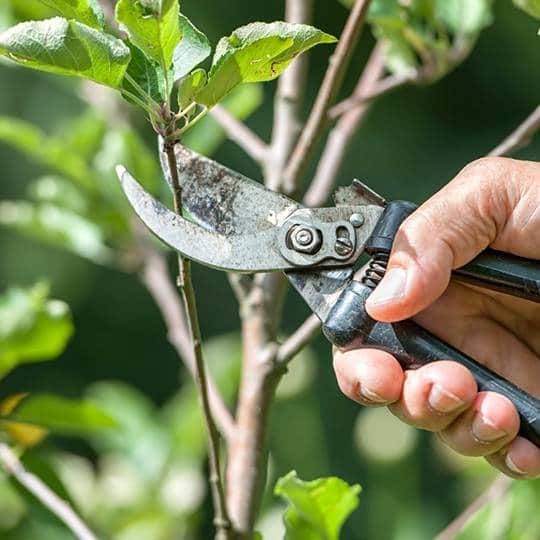
    Pruning should be performed carefully to preserve the tree’s natural structure. Avoid unnecessary cutting because excessive pruning can create stress and reduce the tree’s ability to produce energy. Large or potentially hazardous branches should be handled by qualified arborists.

    7. Sustainable Tree Care Practices

    Sustainable tree care focuses on protecting trees while reducing environmental impact. Using collected rainwater when appropriate, recycling organic garden waste, planting suitable native species, and avoiding unnecessary chemical treatments can support healthier landscapes.

    Choosing trees that naturally suit local soil and climate conditions can also reduce long-term maintenance requirements.

    8. The Role of Trees in Climate Protection

    Trees help address environmental challenges by absorbing carbon dioxide and storing carbon in their trunks, branches, roots, and surrounding soil. They also provide shade, reduce urban temperatures, and support wildlife habitats.

    Protecting existing mature trees is especially important because they provide significant environmental benefits that newly planted trees may take many years to develop.

    Conclusion

    Healthy trees require more than occasional watering. They need suitable sunlight, healthy soil, protection from pests, careful pruning, and regular inspections. Sustainable maintenance practices help trees grow stronger and remain valuable parts of the natural environment. By taking responsibility for tree care today, we can protect biodiversity, improve air quality, and create a greener and healthier future for everyone.
  • Essential Tree Maintenance: Simple Ways to Keep Trees Healthy and Strong

    Essential Tree Maintenance: Simple Ways to Keep Trees Healthy and Strong

    Trees are an essential part of a healthy ecosystem. They make our surroundings beautiful, provide shade, improve air quality, and support countless forms of wildlife. However, trees cannot always remain healthy without proper maintenance. Like other living organisms, they need suitable growing conditions, protection, and regular attention. Understanding basic tree care practices can help homeowners, gardeners, and communities maintain strong and beautiful trees throughout the year.

    1. Choosing the Right Location for Planting

    Proper tree care begins before a tree is planted. Selecting the right location is important for healthy growth. Different tree species require different amounts of sunlight, water, and space. Before planting, consider the size the tree will reach when fully mature. Avoid planting trees too close to buildings, underground pipes, fences, or electrical lines. Choosing a suitable location gives roots enough space to develop and reduces future maintenance problems.

    2. Providing Essential Nutrients

    Trees need nutrients to develop healthy roots, strong trunks, and green leaves. Important nutrients include nitrogen, phosphorus, and potassium. These nutrients support different stages of tree development. Soil testing can help identify nutrient deficiencies and determine whether fertiliser is necessary. Organic compost can improve soil structure and provide nutrients naturally. Fertilisers should always be applied according to the tree’s needs rather than used excessively.

    3. Maintaining Strong Roots

    Roots are the foundation of every healthy tree. They absorb water and nutrients while keeping the tree stable. Protecting the root zone is therefore extremely important. Avoid digging, heavy construction, or parking vehicles near tree roots. Compacted soil can prevent water and oxygen from reaching the roots. Adding organic mulch around the tree can improve soil conditions and protect the root area. Remember to keep mulch away from direct contact with the trunk.

    4. Identifying Early Signs of Tree Problems

    Regular observation helps prevent small problems from becoming serious. Healthy trees generally have strong branches, normal leaf growth, and firm bark. Warning signs may include peeling bark, unusual leaf discolouration, fungal growth, cracks, or branches that fail to produce leaves. Some problems develop slowly, while others appear after storms or periods of extreme weather. Early identification allows appropriate action to be taken before the damage spreads.

    5. Preparing Trees for Extreme Weather

    Strong winds, heavy rainfall, drought, and frost can affect tree health. Preparing trees for changing weather conditions is an important maintenance practice. During dry periods, provide appropriate watering, particularly for young trees. Before stormy weather, inspect trees for dead branches and visible structural problems. Avoid removing large branches without professional guidance. After severe weather, check for damaged limbs, leaning trunks, and exposed roots.

    6. Encouraging Sustainable Tree Care

    Environmentally friendly tree maintenance helps protect nature while keeping trees healthy. Using organic mulch, conserving water, avoiding unnecessary chemicals, and choosing suitable native tree species can support local biodiversity. Native trees often provide valuable food and shelter for local birds, insects, and other wildlife. Planting additional trees in suitable spaces can also help create greener neighbourhoods.

    Conclusion

    Maintaining healthy trees requires patience, knowledge, and consistent attention. From selecting the right planting location to protecting roots, monitoring diseases, and preparing for extreme weather, every maintenance activity contributes to long-term tree health. Responsible tree care also supports biodiversity, improves environmental quality, and creates attractive outdoor spaces. By adopting sustainable maintenance practices, we can protect valuable trees and ensure that future generations enjoy their many benefits.

  • Tree Health Management: Proven Ways to Protect and Improve Tree Growth

    Tree Health Management: Proven Ways to Protect and Improve Tree Growth

    Trees are an essential part of a healthy environment. They improve air quality, provide shade, support wildlife, and make residential and commercial landscapes more attractive. However, maintaining healthy trees requires more than simply planting them and allowing them to grow. Proper tree health management involves regular inspections, suitable watering, soil improvement, disease prevention, and responsible maintenance. With the right approach, trees can remain strong, attractive, and productive for many years.

    1. Understand the Early Signs of Unhealthy Trees

    Recognizing the early warning signs of tree problems is an important part of effective maintenance. Healthy trees generally have strong branches, suitable leaf growth, and stable trunks.

    Unhealthy trees may show symptoms such as yellowing leaves, dry branches, damaged bark, unusual fungal growth, and premature leaf loss. These changes can result from poor soil conditions, pests, diseases, or insufficient water.

    Regular observation helps identify potential issues before they become more difficult to manage.

    2. Improve Root Development Naturally

    Strong roots are essential for tree stability and nutrient absorption. A healthy root system allows trees to access water and minerals while providing support against wind and other environmental pressures.

    To encourage healthy root development, maintain suitable soil moisture and avoid unnecessary digging around established trees. Protect the root zone from heavy machinery and repeated foot traffic.

    Adding organic mulch can improve soil conditions while protecting surface roots from temperature fluctuations.

    3. Choose the Right Watering Techniques

    Watering requirements vary according to tree species, age, soil type, and weather conditions. Newly planted trees generally need more attention because their roots have not yet spread into the surrounding soil.

    Deep watering helps moisture reach the root zone. However, watering should be adjusted according to rainfall and soil drainage. Excessive watering can reduce oxygen availability around roots and increase the risk of root damage.

    Monitoring soil moisture is a practical way to determine when additional watering is needed.

    4. Maintain Strong and Balanced Branches

    A balanced branch structure helps trees grow naturally and reduces the likelihood of structural problems.

    Inspect branches for cracks, deadwood, crossing limbs, and unusual growth. Appropriate pruning can improve the tree’s structure and remove potentially dangerous branches.

    Avoid excessive cutting because removing too much of the canopy can reduce energy production and place additional stress on the tree. Major structural pruning should be completed by trained professionals.

    5. Protect Trees from Fungal Diseases

    Fungal diseases can affect different parts of a tree, including its roots, trunk, leaves, and branches. Some infections develop in damp conditions, while others enter through wounds or damaged tissues.

    Look for unusual leaf spots, discoloured bark, decaying wood, and fungal growth around the trunk or roots.

    Maintaining good growing conditions, avoiding unnecessary injuries, and removing infected material when appropriate can help reduce disease risks. Professional diagnosis is recommended when symptoms are severe or difficult to identify.

    6. Encourage Sustainable Tree Maintenance

    Sustainable maintenance protects trees while reducing negative effects on the surrounding environment.

    Use organic mulch where suitable, conserve water, protect wildlife habitats, and avoid unnecessary chemical treatments. When planting new trees, consider native species that are appropriate for local soil and climate conditions.

    These practices can reduce maintenance requirements while supporting biodiversity.

    7. Give Young Trees Extra Attention

    Young trees need special care during their establishment period. Their developing roots and stems can be vulnerable to drought, strong winds, physical injuries, and competition from weeds.

    Water them according to their needs, protect their trunks from accidental damage, and remove competing vegetation around the base.

    Temporary supports may be useful in exposed locations, but they should not restrict natural trunk movement and should be removed when no longer required.

    8. Schedule Professional Tree Inspections

    Professional inspections are particularly valuable for mature trees, trees near buildings, and those showing signs of structural damage.

    Qualified arborists can assess tree stability, identify potential diseases, recommend suitable pruning methods, and advise on long-term maintenance.

    Regular professional advice helps property owners make informed decisions about tree preservation and safety.

    Conclusion

    Effective tree health management requires consistent attention and a preventative approach. By monitoring tree conditions, protecting root systems, maintaining appropriate soil moisture, preventing disease, and supporting healthy branch development, we can improve the lifespan and appearance of trees. Combining everyday maintenance with professional advice helps create safer landscapes and healthier ecosystems. Protecting trees is an investment in environmental sustainability and a greener future.

  • Complete Guide to Tree Preservation: Effective Methods for Better Tree Health

    Complete Guide to Tree Preservation: Effective Methods for Better Tree Health

    Trees are an important part of our natural world. They provide oxygen, improve air quality, offer shade, protect wildlife, and contribute to the beauty of residential and commercial landscapes. Healthy trees also help reduce soil erosion, manage rainwater, and support biodiversity. To enjoy these benefits for many years, trees need proper attention and regular maintenance. Tree preservation is a long-term responsibility that requires careful planning, observation, and suitable maintenance techniques.

    1. Understand the Importance of Tree Preservation

    Tree preservation means protecting existing trees and maintaining the conditions they need to survive and grow. Mature trees are particularly valuable because they provide environmental benefits that can take decades for newly planted trees to develop.

    Protecting established trees should always be considered before removing them. Regular inspections, appropriate maintenance, and protection from physical damage can help extend their lifespan.

    2. Provide Suitable Growing Conditions

    Healthy growth begins with the right environment. Trees need sufficient sunlight, appropriate soil conditions, good drainage, and enough space for their roots and branches.

    Before planting a new tree, consider its expected height, canopy size, and root development. Avoid planting large trees too close to buildings, underground pipes, and other structures. Selecting a species suitable for the local climate can also reduce future maintenance requirements.

    3. Maintain Healthy Tree Canopies

    The canopy is the upper part of a tree, consisting of branches and leaves. It plays an essential role in photosynthesis, allowing trees to produce the energy needed for growth.

    Regularly inspect the canopy for dead branches, overcrowded growth, and signs of disease. Appropriate pruning can improve the tree’s structure and remove damaged limbs. However, removing too many branches can weaken a tree, so pruning should always be carried out carefully.

    4. Protect Trees from Soil Compaction

    Soil compaction occurs when pressure from vehicles, machinery, or repeated foot traffic reduces the spaces between soil particles. This makes it difficult for roots to receive sufficient oxygen and water.

    To prevent soil compaction, avoid parking vehicles near tree roots and limit unnecessary construction activities around established trees. Organic mulch can help protect the soil surface and maintain suitable growing conditions.

    5. Recognize the Effects of Environmental Stress

    Trees experience environmental stress due to drought, extreme temperatures, pollution, poor drainage, and physical injuries. Stressed trees may develop smaller leaves, slow growth, premature leaf loss, or dead branches.

    Understanding these warning signs allows homeowners and property managers to respond appropriately. Improving watering practices, protecting roots, and addressing soil problems can help reduce environmental stress.

    6. Support Wildlife and Natural Biodiversity

    Trees provide important habitats for birds, insects, squirrels, and other wildlife. Their branches offer nesting spaces, while leaves, flowers, fruits, and bark provide food and shelter.

    When maintaining trees, consider their ecological importance. Avoid unnecessary removal of natural habitats and choose wildlife-friendly maintenance practices. Planting a variety of suitable native trees can also improve biodiversity.

    7. Create a Regular Tree Maintenance Plan

    A consistent maintenance plan makes tree care more manageable. Schedule periodic inspections, monitor soil moisture, check for damaged branches, and observe changes in leaf colour and growth.

    Keep records of major maintenance activities, including pruning, disease treatments, and professional inspections. These records help identify recurring problems and support better long-term decisions.

    Conclusion

    Tree preservation is essential for maintaining healthy landscapes and protecting the environment. By providing suitable growing conditions, protecting roots, maintaining healthy canopies, and monitoring environmental stress, we can improve the health and longevity of trees. Responsible tree maintenance also supports wildlife and strengthens local ecosystems. Every effort made to preserve trees contributes to a greener, healthier, and more sustainable future.

  • Complete Tree Preservation and Care Guide: Effective Solutions for Stronger, Healthier, and More Resilient Trees

    Complete Tree Preservation and Care Guide: Effective Solutions for Stronger, Healthier, and More Resilient Trees

    Trees are an essential part of a healthy environment, providing countless benefits to people, wildlife, and the natural world. They improve air quality, absorb carbon dioxide, reduce temperatures, and create beautiful outdoor spaces. Trees also protect soil, support biodiversity, and contribute to the natural water cycle. However, maintaining healthy trees requires more than occasional watering or pruning. They need suitable growing conditions, protection from environmental stress, and regular attention throughout their lives. Understanding effective tree preservation techniques allows homeowners, gardeners, and landscape professionals to maintain stronger trees and develop sustainable green spaces.

    1. Understanding the Relationship Between Tree Roots and Soil

    The relationship between tree roots and soil is fundamental to healthy development. Roots depend on soil for water, nutrients, oxygen, and physical support.

    Different soil conditions influence how roots spread and function. Loose, well-structured soil generally allows better movement of air and water than heavily compacted soil.

    To protect roots, avoid unnecessary excavation, repeated heavy foot traffic, and excessive soil disturbance. Maintaining suitable organic matter can also improve the surrounding soil environment.

    2. Choosing Trees According to Available Space

    Available planting space should always be considered before selecting a tree.

    Large-growing species may become unsuitable for small gardens, narrow pathways, or restricted urban locations. Compact varieties can provide attractive greenery without requiring extensive space.

    Consider mature height, canopy width, root characteristics, and maintenance requirements before making a decision.

    Planning ahead helps prevent future conflicts with buildings, fences, pavements, and overhead infrastructure.

    3. Improving Tree Establishment After Transplanting

    Transplanting can temporarily disturb a tree’s root system. As a result, newly planted trees may experience stress while adapting to their new surroundings.

    During the establishment period, provide suitable irrigation, maintain appropriate mulch, and protect the trunk from physical damage.

    Avoid excessive fertilizer and unnecessary pruning immediately after transplanting.

    Monitor the tree regularly for signs of healthy new growth and changes in foliage condition.

    4. Understanding the Importance of Tree Pollination

    Pollination is an important process for many flowering and fruit-bearing trees.

    Bees, butterflies, birds, and other organisms can help transfer pollen between flowers. Some tree species are self-pollinating, while others require pollen from a compatible tree.

    Planting suitable flowering species and protecting pollinators can improve biodiversity and support fruit production.

    Avoid unnecessary insecticide applications when trees are flowering because beneficial insects may be affected.

    5. Maintaining Trees in Areas With Poor Soil Quality

    Poor soil conditions can restrict tree development by limiting water availability, oxygen movement, and nutrient absorption.

    Before attempting to improve soil, identify the underlying problem. Soil testing can help determine pH levels and nutrient deficiencies.

    Suitable organic matter may improve soil structure, while compacted areas may require specialist treatment.

    Selecting trees that tolerate existing soil conditions is often more effective than attempting extensive soil modification.

    6. Preventing Damage From Excessive Mulch

    Mulch offers several benefits, but applying too much can create problems.

    Thick mulch layers may reduce oxygen movement near the soil surface and encourage excessive moisture around the trunk.

    Apply mulch evenly over an appropriate root-zone area and keep it away from direct contact with the trunk.

    Inspect existing mulch periodically and replenish it only when necessary.

    7. Understanding the Importance of Branch Attachment

    The way branches connect to the trunk influences overall tree structure.

    Some trees develop branches with narrow attachment angles or included bark, which may create structural weaknesses.

    Regular inspections can identify concerning branch attachments before they become more serious.

    A qualified arborist can assess structural concerns and recommend appropriate management without unnecessarily removing healthy branches.

    8. Protecting Trees From Excessive Wind Exposure

    Wind exposure can affect both young and mature trees.

    Strong winds may break weak branches, damage foliage, or contribute to root movement in unstable trees.

    Selecting wind-tolerant species and providing adequate growing space can improve landscape resilience.

    For young trees, temporary staking may be appropriate in exposed locations, provided that supports allow natural trunk movement.

    9. Maintaining Trees in Areas With Heavy Foot Traffic

    Trees growing in public parks, gardens, and commercial spaces may experience repeated soil compaction.

    Compacted soil restricts root growth and reduces the movement of oxygen and water.

    Consider creating protected planting areas around tree trunks and directing pedestrian movement along suitable pathways.

    Mulched or planted root zones can help reduce unnecessary disturbance.

    10. Recognizing the Effects of Climate Change on Trees

    Changing climate conditions can influence tree growth, flowering, water requirements, and susceptibility to environmental stress.

    Increasing temperatures, irregular rainfall, and severe weather may create challenges for certain species.

    Planting a diverse range of climate-adapted trees can improve landscape resilience.

    Protecting existing mature trees is also important because established trees provide valuable environmental benefits.

  • The Art of Tree Care: Growing a Greener and Healthier Environment

    The Art of Tree Care: Growing a Greener and Healthier Environment

    Trees are one of nature’s greatest gifts. They provide fresh air, shade, beauty, and shelter for wildlife while helping maintain a healthy environment. However, trees need proper care and attention to grow strong and remain healthy. Tree care is not just about watering or trimming branches; it involves understanding the needs of trees and protecting them throughout their lives.

    1. The Importance of Regular Tree Care

    Healthy trees make our surroundings more attractive and improve the quality of life. They absorb carbon dioxide, release oxygen, reduce air pollution, and provide homes for birds and other animals. Regular tree care helps prevent diseases, encourages healthy growth, and increases the lifespan of trees. It also reduces the risk of falling branches that could damage property or cause injuries.

    2. Proper Watering Techniques

    Water is essential for tree growth, especially during the early stages of development. Newly planted trees require regular watering because their roots are still establishing themselves in the soil. Deep watering is generally more effective than frequent, shallow watering because it encourages roots to grow deeper. During hot and dry weather, trees may need additional water. However, overwatering should be avoided because excessive moisture can damage roots and lead to fungal problems.

    3. Pruning and Trimming

    Pruning is an important part of maintaining healthy trees. It involves removing dead, damaged, diseased, or overcrowded branches. Proper pruning improves air circulation, allows sunlight to reach different parts of the tree, and encourages balanced growth. It can also help maintain the tree’s natural shape. However, excessive cutting can weaken a tree, so pruning should be performed carefully. Large branches and hazardous work should be handled by qualified tree-care professionals.

    4. Protecting Trees from Diseases and Pests

    Trees can be affected by insects, fungi, and different environmental conditions. Common warning signs include discoloured leaves, unusual spots, holes in bark, dead branches, and slow growth. Regular inspections can help identify problems before they become serious. Maintaining healthy soil, providing suitable water, and avoiding unnecessary injuries to the trunk can reduce the chances of disease. If a tree shows signs of serious infection, professional advice can help identify the correct treatment.

    5. Healthy Soil and Mulching

    Soil provides trees with essential nutrients, water, and support. Adding organic mulch around the base of a tree helps retain soil moisture, control weeds, and regulate soil temperature. Mulch should be spread in a layer around the root area without piling it directly against the trunk. Compost and suitable organic materials can also improve soil quality. Healthy soil creates the right conditions for strong root development.

    6. Seasonal Tree Maintenance

    Every season brings different challenges for trees. Spring is a good time to inspect new growth and identify damaged branches. Summer requires attention to watering, especially during dry periods. Autumn is suitable for checking tree health and preparing for colder weather. During winter, trees should be monitored for storm damage and heavy snow accumulation where relevant.

    Conclusion

    Tree care is an important responsibility that benefits both nature and society. By providing proper water, maintaining healthy soil, pruning carefully, and monitoring diseases, we can help trees thrive for generations. Even small efforts, such as protecting young trees and avoiding damage to their roots, can make a meaningful difference. Caring for trees today means creating a cleaner, greener, and healthier environment for tomorrow.

  • Expert Tree Care and Preservation: A Complete Approach to Healthy Landscapes

    Expert Tree Care and Preservation: A Complete Approach to Healthy Landscapes

    Trees are an important part of a balanced and attractive environment. They provide shade, improve air quality, support wildlife, and contribute to the natural beauty of residential and commercial properties. However, maintaining trees in good condition requires knowledge, regular observation, and appropriate maintenance techniques. Effective tree preservation is not simply about removing unwanted branches; it involves understanding tree health, protecting natural growth, and preventing problems before they become serious.

    1. The Importance of Tree Preservation

    Tree preservation focuses on protecting existing trees and extending their natural lifespan. Mature trees provide significant environmental benefits and often take many years to replace.

    Preserving healthy trees helps maintain local biodiversity, supports wildlife habitats, and reduces the environmental impact associated with unnecessary tree removal. Before removing a tree, property owners should consider whether maintenance, treatment, or structural support could address the problem.

    Professional assessments can help determine the most appropriate solution.

    2. Maintaining Healthy Tree Branches

    Branches play an important role in supporting leaves, flowers, and fruit. Healthy branches contribute to the overall structure and appearance of a tree.

    Inspect branches regularly for cracks, deadwood, unusual growth, and signs of disease. Removing damaged branches when appropriate can reduce potential hazards and improve tree condition.

    Pruning cuts should be made carefully to avoid damaging the branch collar. Large branches should be handled by trained professionals to prevent injuries and unnecessary damage.

    3. Improving Soil Fertility Naturally

    Healthy soil provides trees with the nutrients and moisture needed for continued development. Over time, soil conditions may become poor because of compaction, erosion, or a lack of organic matter.

    Adding suitable organic compost can improve soil structure and encourage beneficial microorganisms. Organic mulch can also help retain moisture and protect the soil surface.

    Before applying fertilisers, consider testing the soil to identify any nutrient deficiencies. This prevents unnecessary treatments and supports responsible garden management.

    4. Understanding the Effects of Climate on Trees

    Climate conditions strongly influence tree growth and overall health. Temperature changes, heavy rainfall, prolonged drought, and strong winds can create different challenges throughout the year.

    Trees suited to local environmental conditions generally require less intervention and are more likely to establish successfully.

    When selecting new trees, consider their tolerance to local temperatures, water availability, soil conditions, and expected mature size. Choosing suitable species is an important step towards long-term tree health.

    5. Managing Tree Growth Near Buildings

    Trees growing close to buildings require thoughtful management. Their branches may extend over roofs, while their roots may interact with paths, foundations, and underground services.

    Regular inspections help identify potential conflicts before they become serious. Avoid automatically cutting roots or removing large branches, as inappropriate work can weaken a tree.

    Where concerns arise, consult a qualified arborist who can assess the situation and recommend suitable management options.

    6. Caring for Fruit-Bearing Trees

    Fruit trees require additional attention to maintain healthy growth and productive harvests. Proper pruning, appropriate watering, and good soil conditions can support flower development and fruit production.

    Inspect fruit trees for pests, fungal infections, and damaged branches. Remove fallen or diseased fruit where appropriate to reduce potential sources of infection.

    Different fruit varieties have different pruning seasons and growing requirements, so maintenance should be adapted to the particular species.

    7. Recognising When a Tree Needs Professional Attention

    Some tree problems are difficult to identify without specialist knowledge. Signs such as large trunk cracks, significant root damage, extensive deadwood, fungal growth near the base, and sudden changes in tree stability may indicate serious concerns.

    A qualified arborist can conduct a tree assessment, identify possible causes, and recommend suitable management measures.

    Regular professional inspections are particularly valuable for mature trees located near roads, buildings, gardens, and public spaces.

    8. Building a Long-Term Tree Care Routine

    Successful tree maintenance requires consistency. Creating a yearly care schedule makes it easier to monitor development and identify changing conditions.

    Include regular inspections, soil assessments when needed, appropriate watering, seasonal pruning, and checks for pests and diseases.

    Keeping maintenance records also helps property owners understand previous treatments and plan future work more effectively.

    Conclusion

    Expert tree care combines practical maintenance with a commitment to environmental preservation. By protecting roots, maintaining healthy branches, improving soil quality, and responding to environmental challenges, property owners can help trees remain healthy for many years. Responsible tree management creates safer outdoor spaces, protects biodiversity, and preserves the natural beauty of our surroundings for future generations.

  • Complete Guide to Tree Maintenance: Keeping Trees Healthy, Safe, and Long-Lasting

    Complete Guide to Tree Maintenance: Keeping Trees Healthy, Safe, and Long-Lasting

    Trees are valuable natural resources that contribute significantly to the beauty and health of our surroundings. They provide oxygen, reduce pollution, create shade, and offer habitats for countless species of wildlife. Whether growing in a private garden, public park, or commercial landscape, trees require regular maintenance to remain healthy and structurally strong. Understanding the right tree care practices can help property owners protect their trees and enjoy their benefits for many years.

    1. Regular Tree Health Inspections

    Inspecting trees regularly is one of the easiest ways to prevent serious problems. A healthy tree usually has strong branches, natural leaf colour, and steady seasonal growth. However, unusual changes may indicate underlying issues.

    Look for cracked bark, dead branches, fungal growth, damaged roots, and discoloured leaves. Early identification allows problems to be investigated before they become more difficult to manage. Large or potentially hazardous trees should be assessed by a qualified arborist.

    2. Proper Planting Techniques

    Planting a tree correctly gives it a strong foundation for future development. Start by selecting a healthy tree that is suitable for the local climate and available space.

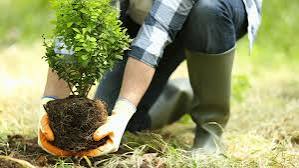
    The planting hole should generally be wider than the root ball but no deeper than necessary. The root flare should remain visible at ground level. After planting, water the tree thoroughly and apply a suitable layer of mulch around the root zone.

    Avoid planting too deeply, as this can restrict oxygen availability and contribute to root and trunk problems.

    3. Effective Mulching Practices

    Mulching is a simple yet effective way to improve tree health. Organic materials such as wood chips, shredded bark, and fallen leaves can help maintain soil moisture and regulate soil temperature.

    A suitable mulch layer also reduces weed competition and gradually adds organic matter to the soil as it decomposes.

    Spread mulch around the tree while keeping it several inches away from the trunk. Avoid creating a thick pile around the base because excessive moisture against the bark can encourage decay.

    4. Managing Tree Pests Naturally

    Insects and pests can affect the leaves, bark, branches, and roots of trees. Some insects cause minor damage, while others can seriously weaken a tree if left unmanaged.

    Regularly inspect leaves and branches for unusual holes, sticky substances, webbing, or insect activity. Encourage beneficial insects and birds by maintaining biodiversity in the garden.

    Where treatment is necessary, choose an appropriate method based on accurate pest identification. Avoid unnecessary chemical applications that may harm pollinators and other beneficial organisms.

    5. Caring for Trees During Drought

    Long periods without rainfall can place significant stress on trees. Water shortages may cause leaves to wilt, turn brown, or fall earlier than expected.

    During dry conditions, water trees slowly and deeply around the root zone. Newly planted trees generally require more frequent attention than established trees. Mulching can also reduce water loss from the soil.

    Watering requirements vary according to tree species, soil type, temperature, and rainfall, so monitoring soil moisture is important.

    6. Improving Tree Safety

    Tree safety should always be an important part of landscape maintenance. Weak branches, damaged trunks, and unstable root systems can create hazards, particularly during storms.

    Remove obvious dead or broken branches through appropriate pruning. Avoid attempting dangerous work at height or near electrical equipment. Qualified tree surgeons have the training and equipment needed to handle complex maintenance safely.

    7. Supporting Long-Term Tree Growth

    Healthy tree development requires consistent care rather than occasional maintenance. Maintaining suitable soil conditions, protecting roots, providing sufficient water, and monitoring growth all contribute to long-term success.

    Keeping records of planting dates, pruning activities, inspections, and treatments can also help property owners understand the condition and development of their trees.

    Conclusion

    Tree maintenance is an important responsibility that benefits both people and the natural environment. By following effective planting, watering, pruning, mulching, and inspection practices, we can protect trees from common problems and encourage healthy growth. Investing time in proper tree care today helps create safer landscapes, healthier ecosystems, and greener communities for the future.

  • Tree Care: Simple Ways to Keep Trees Strong, Beautiful, and Healthy

    Tree Care: Simple Ways to Keep Trees Strong, Beautiful, and Healthy

    Trees are an essential part of our environment. They make our surroundings beautiful, provide shade, produce oxygen, and support countless birds and animals. A healthy tree can live for many years, but it needs proper care to grow successfully. Tree care is an important activity that helps protect nature and maintain a clean, green environment. With a few simple practices, everyone can contribute to keeping trees healthy and strong.

    1. Choose the Right Place for Planting

    The first step in proper tree care is selecting a suitable location. Different trees have different requirements for sunlight, water, and space. Before planting a tree, it is important to understand how large it may grow and how much room its roots will need. Planting trees in suitable locations helps prevent damage to buildings, sidewalks, and underground pipes.

    2. Give Trees the Right Amount of Water

    Water plays a major role in tree growth. Newly planted trees need regular watering because their root systems are not fully developed. During hot weather, the soil can become dry quickly, so checking soil moisture is important. Water should reach the root zone to encourage deeper root development. However, overwatering should be avoided because too much moisture can damage roots.

    3. Use Natural Fertilizers

    Trees need essential nutrients to grow properly. Natural fertilizers, such as compost and well-rotted organic matter, can improve soil quality. They provide nutrients that support healthy roots, leaves, and branches. Adding compost around the tree’s root area can also improve the soil’s ability to hold moisture. Chemical fertilizers should be used carefully and only when necessary.

    4. Keep the Area Around Trees Clean

    Keeping the surrounding area clean is another important part of tree maintenance. Plastic bags, bottles, construction materials, and other waste can damage the soil and surrounding environment. Weeds should also be controlled so they do not compete excessively with young trees for water and nutrients. A clean environment helps trees grow in healthier conditions.

    5. Protect Trees from Strong Winds

    Strong winds and storms can break branches and damage tree trunks. Young trees may require temporary support while their roots become established. However, supports should not be too tight because they can restrict natural movement and damage the trunk. Regularly checking trees after storms can help identify broken branches and other problems.

    6. Encourage Wildlife Around Trees

    Trees provide natural homes for birds, butterflies, bees, and other wildlife. Creating a healthy environment around trees supports biodiversity. Avoiding unnecessary pesticide use and planting different native tree species can attract beneficial insects and birds. Wildlife plays an important role in maintaining a balanced ecosystem.

    7. Arrange Regular Tree Inspections

    Regular inspections help identify problems at an early stage. Look for cracked branches, unusual leaf discoloration, fungal growth, damaged bark, and signs of pests. If a tree shows serious damage or becomes unstable, professional tree-care services should be contacted. Early attention can prevent small problems from becoming major concerns.

    Conclusion

    Taking care of trees is one of the simplest ways to protect our natural environment. Proper watering, healthy soil, regular inspections, careful pruning, and protection from environmental damage can help trees grow beautifully for many years. Everyone, including homeowners, gardeners, schools, and communities, should understand the importance of tree maintenance. By caring for trees today, we can create greener neighborhoods, cleaner air, and a healthier planet for future generations.

  • Hello world!

    Welcome to WordPress. This is your first post. Edit or delete it, then start writing!